


Kua Ruins, a Lost Swahili Town on Juani Island
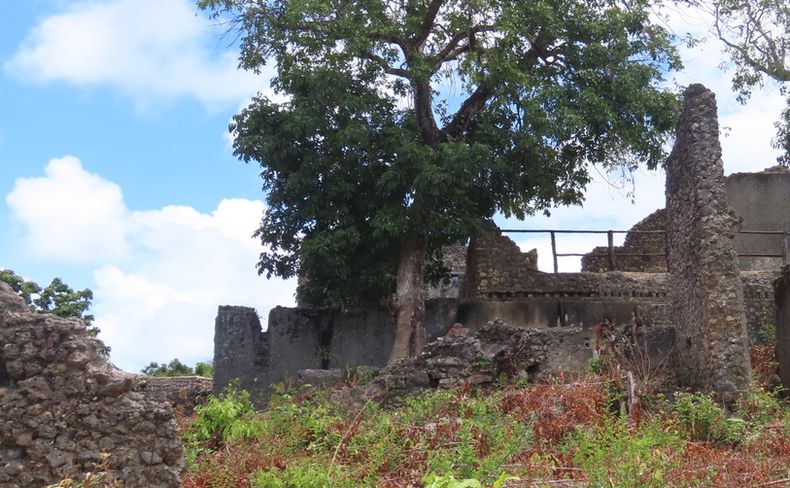
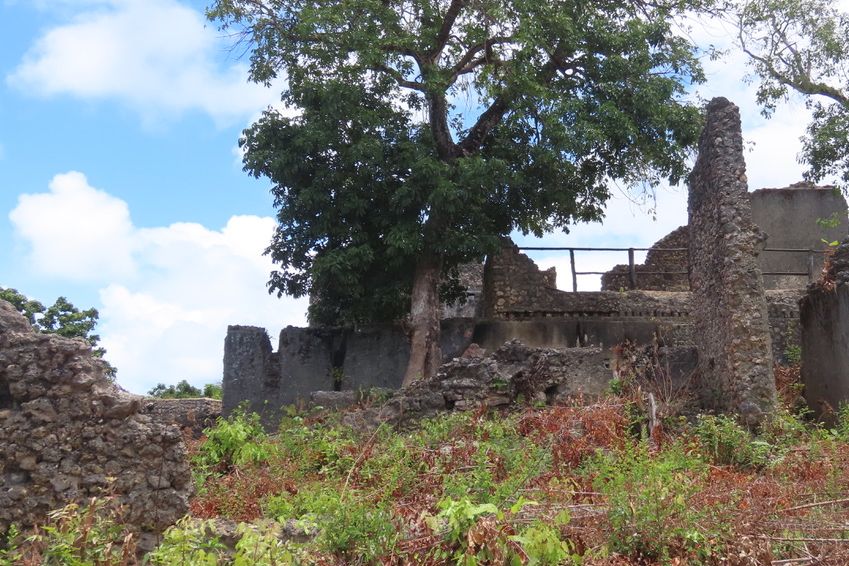
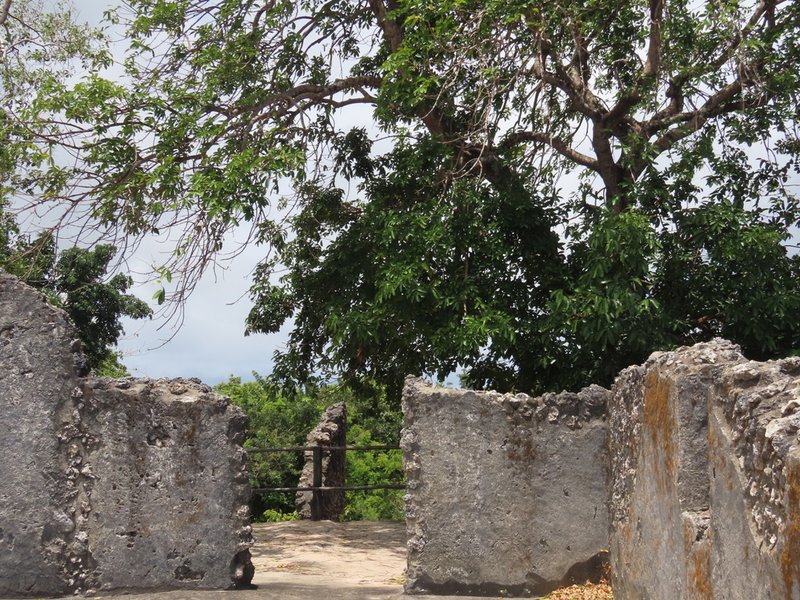
Hidden in the forest of Juani Island, its walls gripped by the roots of strangler fig trees, lie the ruins of Kua, a lost Swahili town. Nobody knows exactly when it was founded. What is known is that Shirazi settlers from Persia, who came by way of Kilwa, made it their home from at least the 13th century until its fall in the early 19th century.
Walk across the channel at low tide, or go by boat
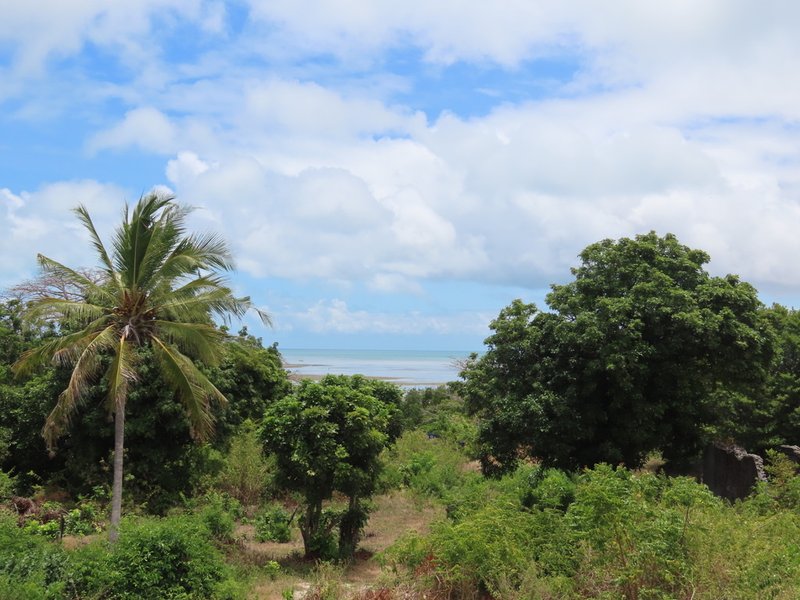
At low tide you can walk to Juani Island through the Chole channel, about an hour each way with a guide. Watch your step: starfish lie half-buried in the sand of the channel, and crabs scuttle across it, from ordinary ones to tiny fiddler crabs waving one giant claw. At high tide, our boatmen take you by boat to the entrance of the ruins.
Seven mosques and a palace in the forest
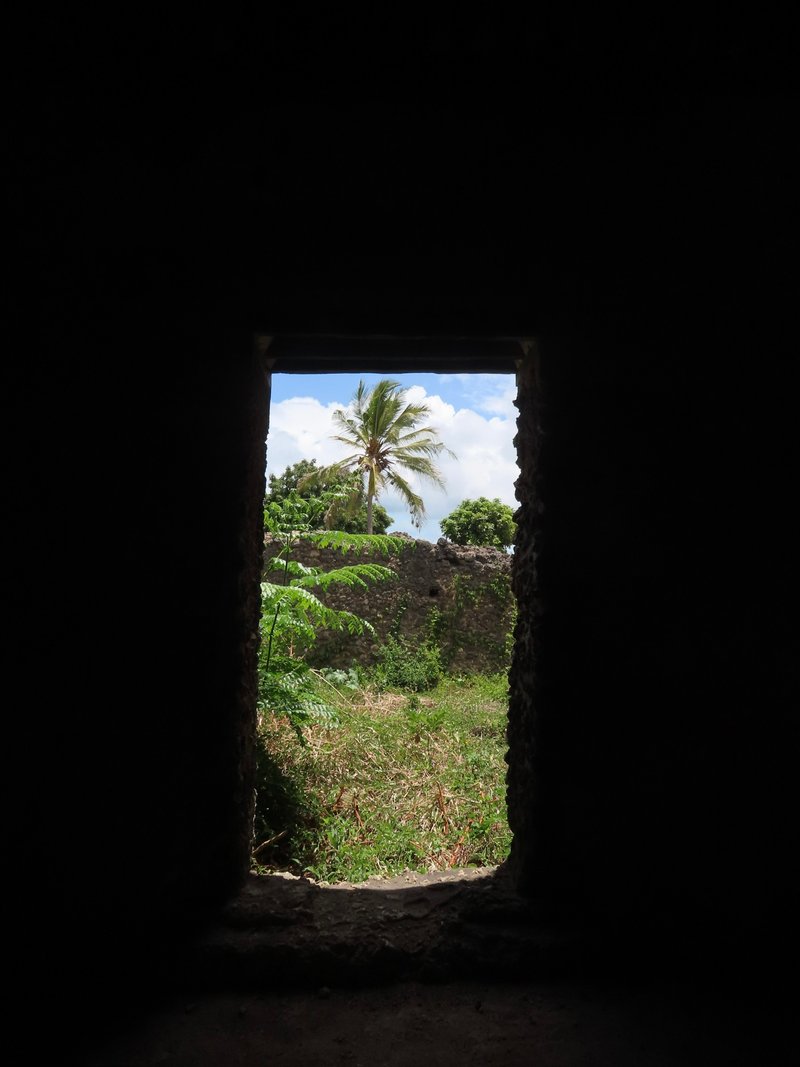
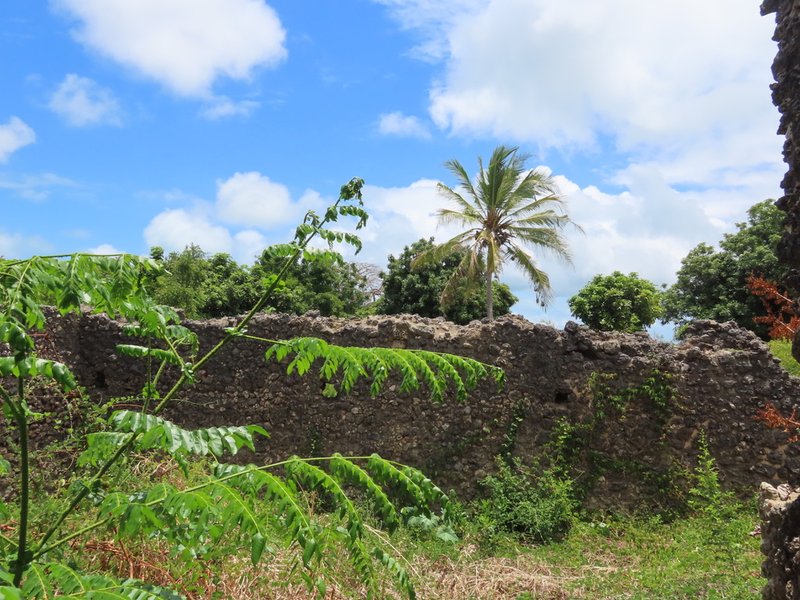
Amid the bird calls, walk into the forest to explore one of the largest medieval Swahili sites in East Africa, its coral-stone walls held in the roots of strangler fig trees. Among them are the mosques, with their prayer niches still standing, the stone houses, the old tombs, and the two-storey Kua Palace, probably built in the 18th century at the height of the town’s wealth. Kua is a National Historic Site of Tanzania. In 2016, the World Monuments Fund named it one of the 50 most endangered heritage sites in the world. The entrance fee and the guide are paid in cash.
The raid that emptied Kua
Local legend tells of raiders from Madagascar who arrived in small canoes in the early 19th century and carried off many of Kua’s people. The town never recovered. The Sultan’s seat moved across the channel to Chole Island, and the forest slowly took Kua back.
Combine it with the Blue Lagoon
Add the Blue Lagoon and its jellyfish pond to make a day of it.
Our managers plan the next day’s activities with you each evening.


Share This Page