


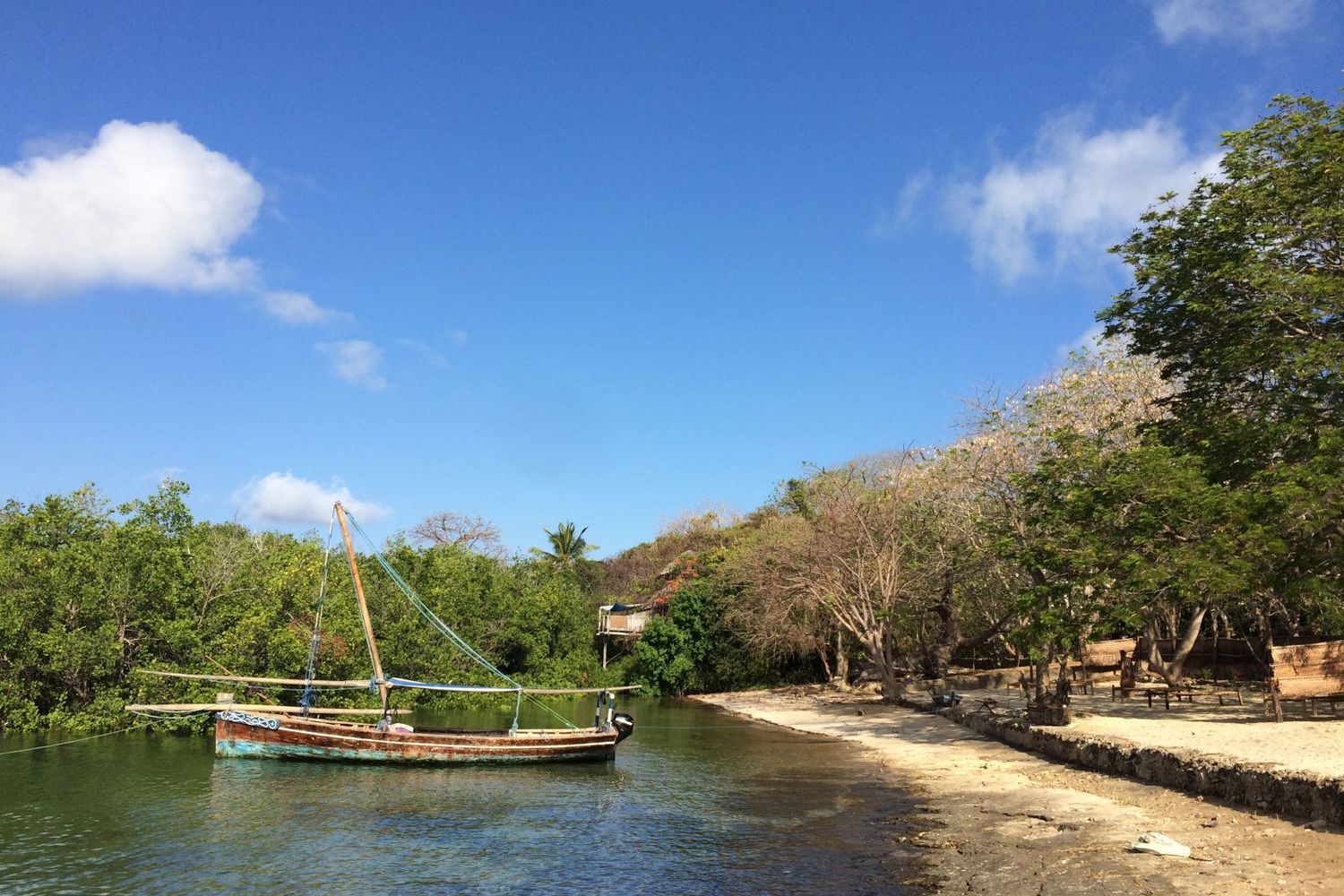
Our story on Chole Island
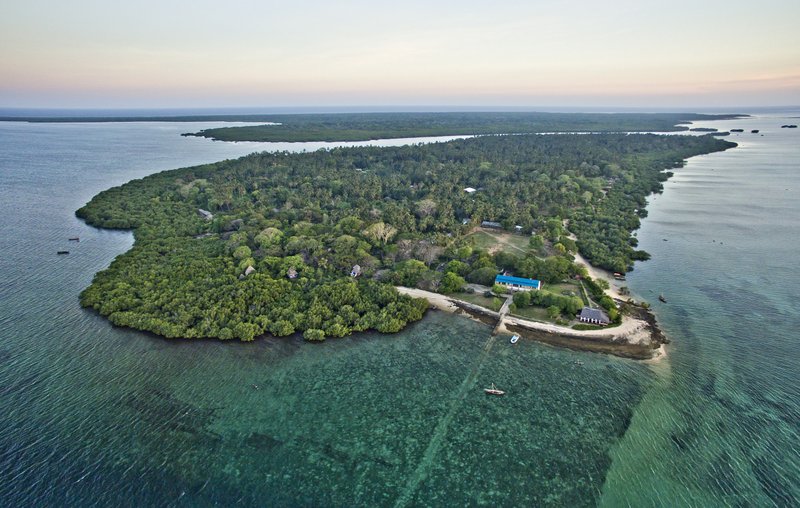
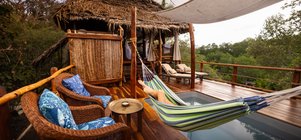
Chole Mjini was never meant to be a hotel, and it isn’t. It’s a castaway island retreat for people who would rather fall asleep to the sea than to air conditioning, and who find more in simple pleasures, the island’s rhythm and its people than in room service.
How Chole Mjini began
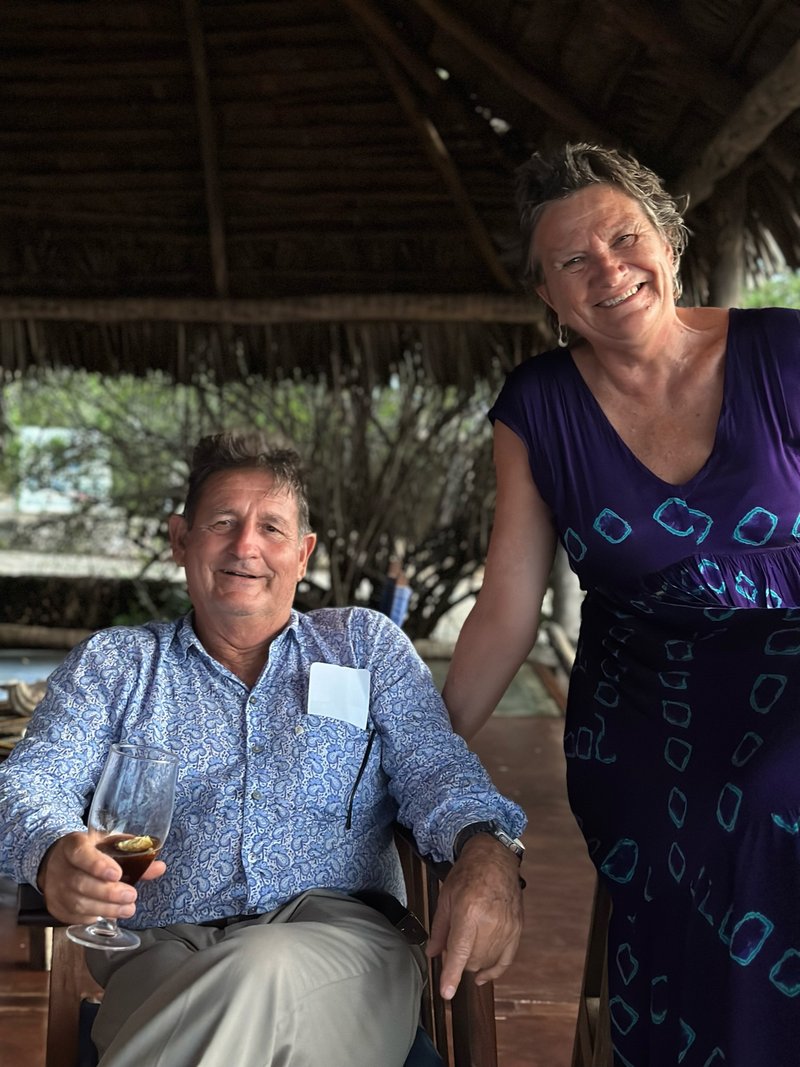
Anne and Jean met on the road in southern Africa. She was an agronomist hitchhiking north; he was a city boy with a car, heading south. A month of arguing over directions later, they knew they shared a love of wild places, adventure and baobabs, and a life together in Zanzibar followed.
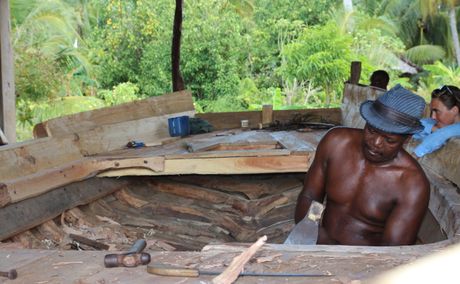
In 1992 they came to Chole on a diving and camping trip, when Mafia had no working hotel and not even a regular flight. Jean fell for the dhows built on the island by fundis said to be the best in East Africa, and had one made. On its maiden voyage, Anne, eight months pregnant, took the tiller from the boat-builders, and the dhow was named Mama Chole.
Neither of them ever wanted to build a hotel. They had seen too many beautiful places spoilt by tourism. But over many dinners and more than a few bottles of wine, they began to wonder whether a lodge could do the opposite and work for the island instead, and in 1993 the company was born. When the friend who was to run it pulled out, with a primary school and a clinic already under way, they couldn’t bear to let Chole down. In 1996 they moved to the island “for a year”, with a four-year-old and a newborn. That year has never ended.
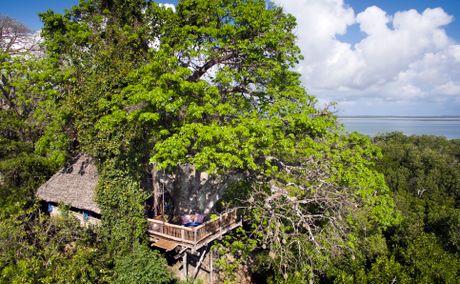
There were no power tools. Every treehouse was built by hand by Chole’s boat-builders, with a carpenter and a stone-mason they trained, from wood brought by dhow from the island and the Rufiji delta, and each one took six months to a year. While Jean learned to build houses in the trees, Anne planted the gardens, worked alongside the village and earned the dhow’s name for herself: Mama Chole. Four years later, the first guests arrived. Read Jean’s account of how we built the treehouses.
Built with the island
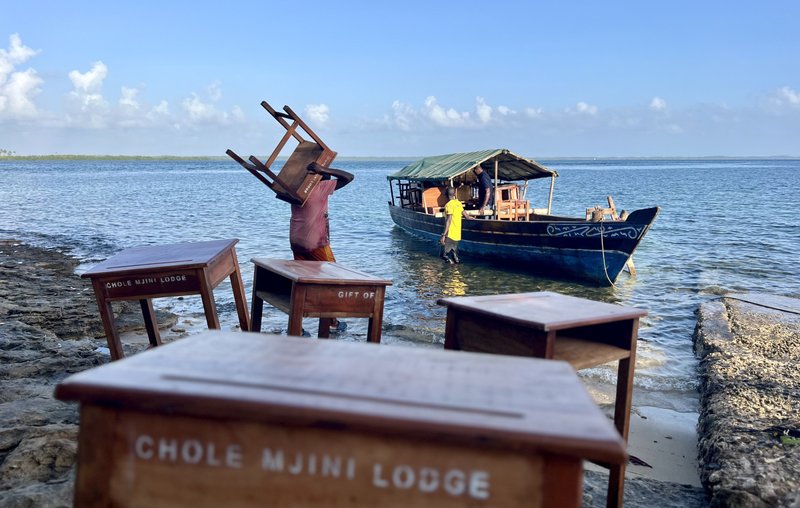
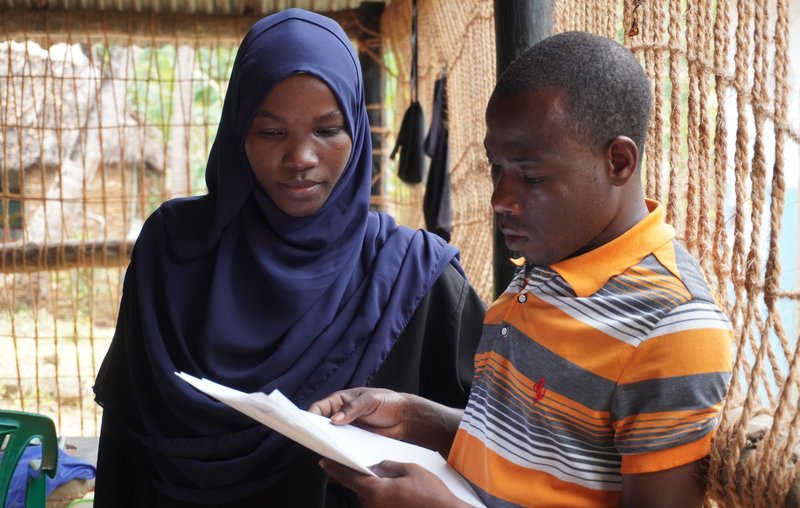
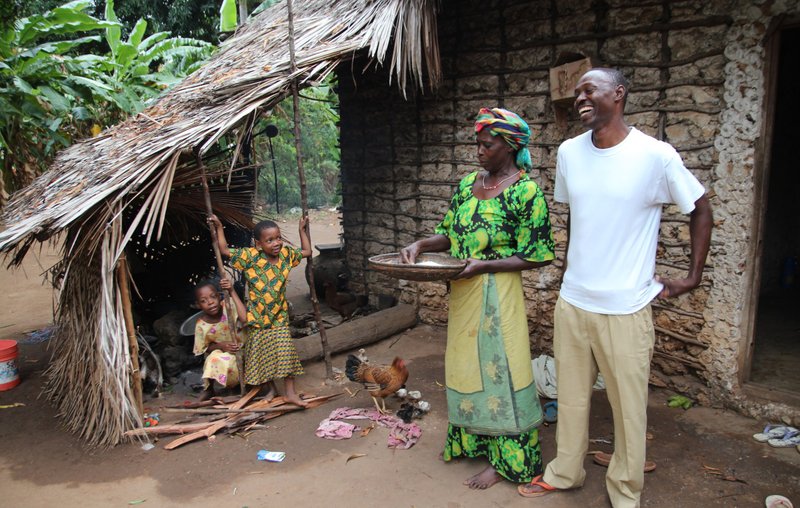
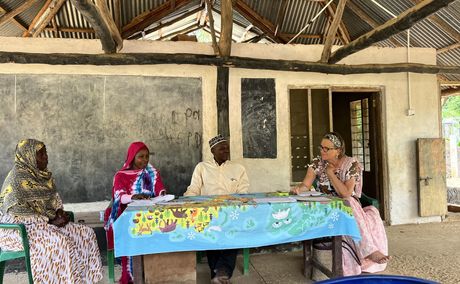
From the start, the idea was that tourism should make life better on Chole. Almost all the money spent building the lodge was spent on the island, and the village’s primary school and clinic were completed while the treehouses were going up. In 1994 we helped the Village Council set up a village fee, so the island could run its own affairs and protect its heritage. Today at least 90% of our team come from Chole.
Giving back
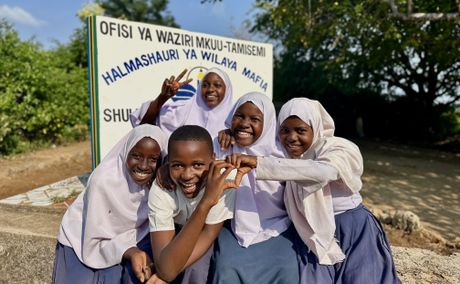
The Chole Mjini Trust puts the island’s children through school, from kindergarten to university, and has supported more than 1,500 children so far. Around the lodge we grow mangroves along the shore and protect Chole’s fruit bats, 314 when we arrived and more than 10,000 today. We are founding members of WHASCOS, the Mafia Island Whale Shark Conservation Society, and with The Ropes of Hope, 75,000 corals have been planted in the marine park around us. Read more on Our Projects and the Chole Mjini Trust website.
What guests say
“Chole Mjini is quite simply one of the most unusual and special places that we know. And it is eco-tourism for real.” – Africa Travel Resource
Read what our guests say on our Reviews page.

Share This Page